Buy Glutathione 1,500mg UK | Premium High-Dose Antioxidant
Welcome to the UK’s leading supplier of Glutathione 1,500mg. Based in the United Kingdom and serving customers across Europe, we provide this high-potency master antioxidant with a focus on verified purity, fast shipping, and exceptional customer service. When you decide to buy Glutathione 1,500mg from us, you are choosing a trusted partner dedicated to helping you achieve your ultimate wellness, detoxification, and anti-ageing goals.
Your Trusted UK-Based Glutathione Supplier
As the premier UK Peptides Shop, we have established our reputation on a foundation of quality, reliability, and customer care. Trusted by thousands of clients across the UK and Europe, we are the top choice for anyone looking to buy Glutathione 1,500mg with confidence. Our UK-based facility means we hold actual stock, ensuring fast, reliable delivery without international delays.
Uncompromising Quality in Every High-Dose Vial
We understand that when it comes to powerful antioxidants, purity and potency are paramount. That’s why we are committed to providing only the highest grade Glutathione available in this powerful 1,500mg dose.
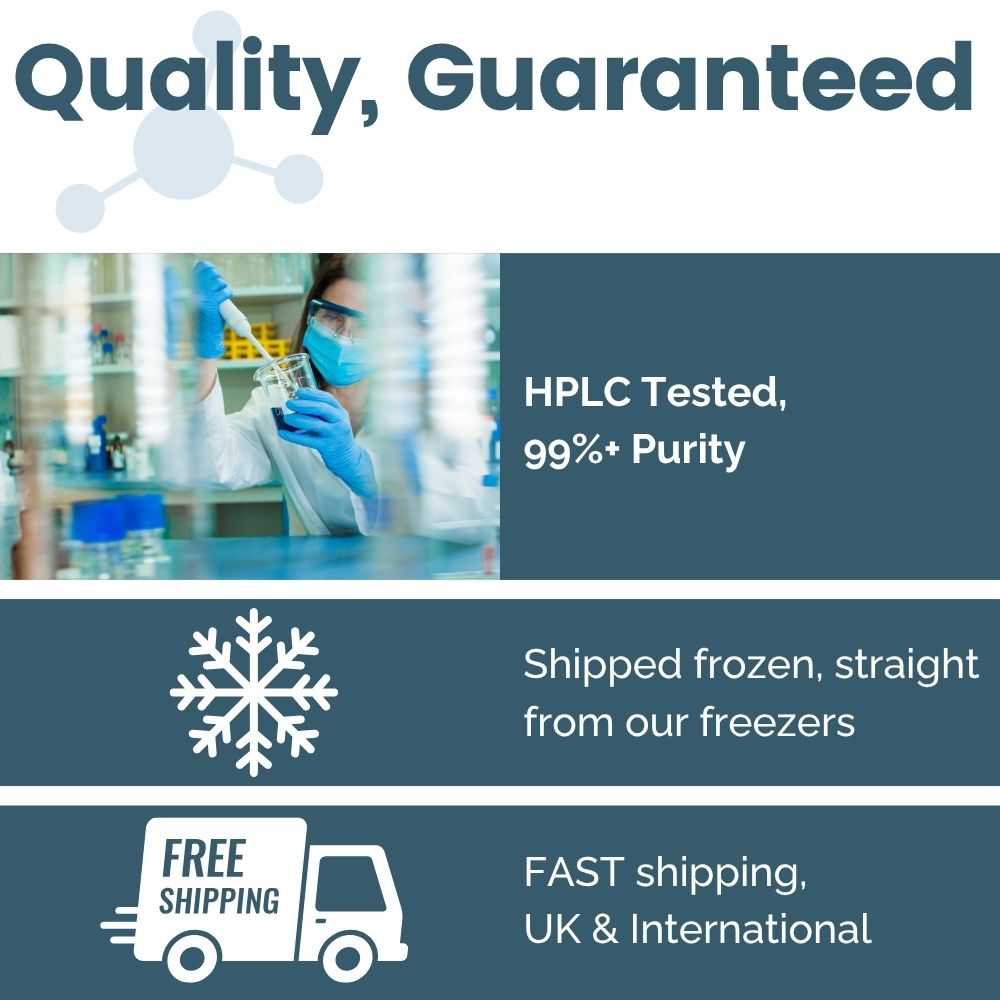
- Verified 99%+ Purity: All our Glutathione 1,500mg is rigorously HPLC-tested to guarantee exceptional purity, ensuring you receive a potent and highly effective product.
- Third-Party Lab Testing: We provide accessible Certificates of Analysis (COAs) from independent, UKAS-verified labs, ensuring complete transparency and confirming the purity claim.
- Full Traceability: Every vial includes full lot tracing, allowing you to verify the integrity and purity of your product from our facility to your door.
- GMP-Compliant Manufacturing: Our Glutathione is produced in state-of-the-art, GMP-compliant laboratories to pharmaceutical-grade standards.
What is Glutathione 1,500mg and Why Buy It?
Glutathione is often referred to as the body’s “master antioxidant” because of its central role in protecting cells from oxidative stress and damage. It is a tripeptide composed of three amino acids (cysteine, glycine, and glutamate) and is present in nearly every cell in the body. However, factors like ageing, stress, poor diet, and environmental toxins can deplete our natural levels. Our 1,500mg high-dose vial provides a potent supply to help replenish your body’s reserves, offering a powerful tool for those seeking to enhance their overall health, appearance, and vitality from the inside out.
- Powerful Cellular Detoxification: Glutathione is a cornerstone of the body’s natural detoxification pathways, particularly in the liver. It helps to neutralise and eliminate harmful toxins, heavy metals, and free radicals, promoting a cleaner, healthier internal environment.
- Brighter, More Radiant Skin: Glutathione is renowned for its skin-lightening and brightening effects. It works by inhibiting melanin production and reducing oxidative damage, leading to a more even skin tone, reduced dark spots, and a luminous, healthy glow.
- Potent Anti-Ageing Protection: As the master antioxidant, Glutathione directly combats the cellular damage that causes ageing. It helps to protect collagen and elastin, reducing the appearance of wrinkles, fine lines, and sagging skin for a more youthful complexion.
- Enhanced Immune System Function: Adequate Glutathione levels are crucial for optimal immune function. It helps to support the activity of immune cells like T-cells and NK cells, strengthening your body’s natural defences against illness and infection.
- Improved Energy and Vitality: By protecting mitochondria (the powerhouses of our cells) from oxidative damage, Glutathione can help to boost cellular energy production, leading to reduced fatigue and increased overall vitality.
Fast, Secure, and Discreet UK & European Delivery
We prioritise the safe and timely delivery of your order. Our sophisticated logistics network, based right here in the UK, ensures your Glutathione 1,500mg arrives in optimal condition.
- Next-Day UK Delivery: Order by 3 PM (Mon-Fri) for same-day dispatch and next-day delivery within the UK.
- Pan-European Shipping: We offer reliable international delivery through trusted carriers like DHL Express to destinations across Europe.
- Optimised Packaging: All products are shipped in secure, protective packaging to ensure the integrity and stability of the product.
- Discreet Packaging: All orders are shipped in secure, plain packaging with tamper-evident seals to ensure your privacy and product security.
- No Customs Delays: With actual UK stock, we bypass international shipping delays, providing predictable and fast delivery for our European customers.
Why Customers Choose to Buy Glutathione from Us
In a competitive market, we distinguish ourselves through an unwavering focus on the specific needs of our customers.
- ISO 9001 Certified Quality Management: We are the only UK supplier to enforce an ISO 9001 certified quality management system, backed by UKAS-verified third-party testing, demonstrating a commitment to quality that is second to none.
- Expert Customer Support: Our team includes highly respected UK authorities on advanced antioxidants and wellness compounds, available to provide knowledgeable support for your questions.
- Price Match Guarantee: We offer competitive pricing and a price match guarantee to ensure you receive the best value without compromising on quality.
- Established Trust: With over 12 years of experience and thousands of positive reviews, our longevity and customer satisfaction speak for themselves.
Simple and Secure Ordering Process
We have designed our ordering process to be as efficient and secure as possible.
- Browse Our Product Page: Find detailed information, lab reports, and customer reviews for our Glutathione 1,500mg.
- Secure Online Checkout: Use our protected payment gateway for a safe and confidential transaction.
- Professional Dispatch: Your order is meticulously prepared in our secure UK facility.
- Track Your Delivery: Monitor your shipment from our door to your door with real-time tracking.
Buy Premium Glutathione 1,500mg in the UK Today
Your health, beauty, and vitality goals deserve the most powerful tools available. Don’t settle for low-dose, ineffective supplements when you can provide your body with a potent, high-quality supply of the master antioxidant. Join thousands of satisfied customers across the UK and Europe who trust our UK Peptides Shop for their advanced wellness needs. When cutting-edge science, proven results, and service matter, we are the partner you can count on.
Order your Glutathione 1,500mg today and experience the transformative power of the master antioxidant.
Premium Quality | Verified Purity | Trusted UK & Europe Delivery