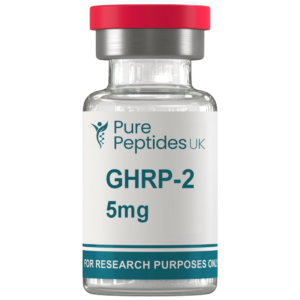

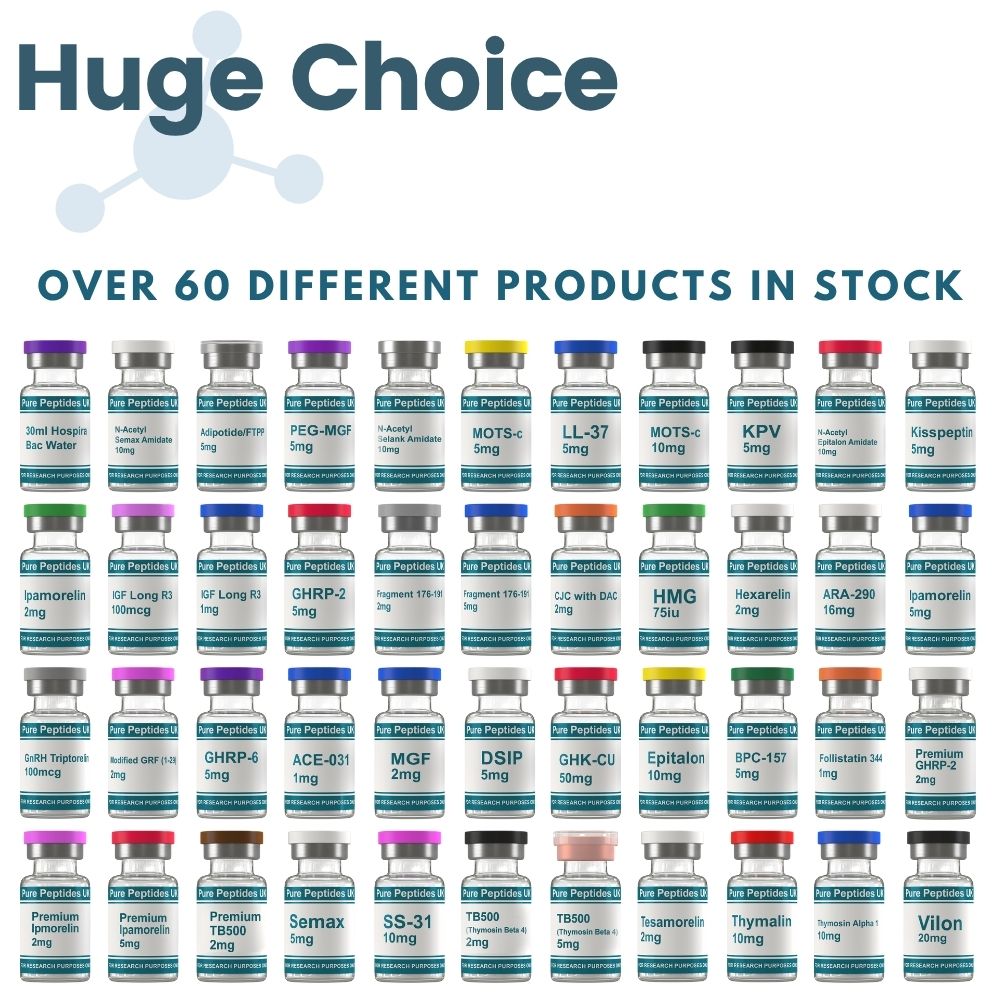
Premium GHRP-2 5 mg
Overview
GHRP-2 (Growth Hormone-Releasing Peptide-2) is a synthetic hexapeptide developed to stimulate the release of growth hormone (GH) from the pituitary gland. It belongs to a family of met-enkephalin analogues that include unnatural D-amino acids, designed to enhance stability and receptor affinity.
Researchers are particularly interested in GHRP-2 because of its ability to act at both pituitary and hypothalamic sites, making it a valuable tool for studying growth hormone regulation, neuropeptide signalling, and metabolic processes linked to GH release.
Scientific Background
GHRP-2 belongs to the growth hormone secretagogue (GHS) class of peptides, which act through the ghrelin receptor (GHS-R1a) to promote the pulsatile release of GH. Unlike traditional GHRH analogues, GHRP-2 acts independently of GHRH pathways and can synergise with them, creating a robust research model for GH-axis dynamics.
This synthetic peptide is also referred to as Pralmorelin (KP-102) in the scientific literature and has been widely used in both pre-clinical and endocrinological studies exploring appetite regulation, endocrine feedback, and metabolic control mechanisms.
Mechanism of Action
GHRP-2 binds to GHS-R1a receptors, located primarily in the hypothalamus and pituitary gland, triggering a cascade that stimulates growth hormone secretion.
This process is thought to involve:
-
Activation of G-protein coupled receptors (GPCRs) linked to calcium-ion signalling.
-
Increased GH release via modulation of intracellular cAMP and IP₃ pathways.
-
Potential indirect effects on appetite regulation through the ghrelin pathway.
These mechanisms make GHRP-2 a focus of ongoing research into growth regulation, energy balance, and hormonal feedback.
Research Focus Areas
-
Endocrine Regulation Studies – Analysing how GHRP-2 interacts with hypothalamic and pituitary pathways to modulate GH release.
-
Metabolic Function and Appetite Research – Exploring GHRP-2’s potential influence on ghrelin-mediated appetite and energy balance.
-
GH Axis Mechanistic Modelling – Examining feedback loops and hormone pulses in GH-dependent systems.
-
Comparative Peptide Analysis – Studying potency, receptor affinity, and half-life relative to other GHRPs such as GHRP-6 or Ipamorelin.
Technical Details
- Synonyms: Pralmorelin, KP-102
- Sequence: AXAWFK
- IUPAC Condensed: H-D-Ala-D-2Nal-Ala-Trp-D-Phe-Lys-NH₂
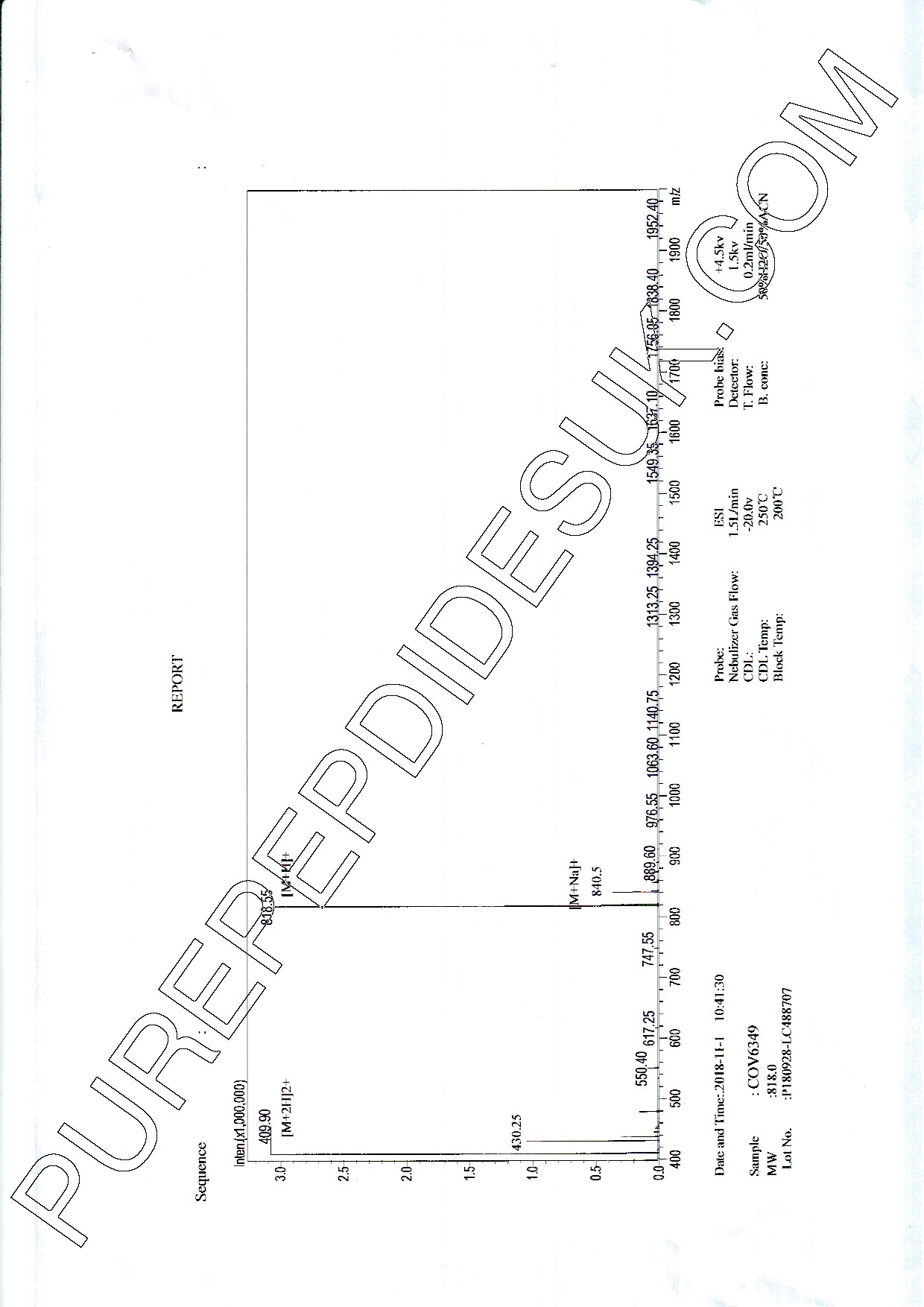
- Molecular Weight: 818.0 g/mol
- CAS Number: 158861-67-7
- PubChem CID: 6918245
- Further References: PubChem
Stability and Storage
Store lyophilised protein at –20 °C.
After reconstitution, aliquot to prevent repeated freeze–thaw cycles.
Reconstituted peptide may be stored at 4 °C for short-term use.
The lyophilised form remains stable until the stated expiry date when kept at –20 °C.
Source and Reconstitution
Source: Biosynthesis
Reconstitution: Reconstitute with Bacteriostatic Water
Usage
Product is prepared for laboratory research only.
GHRP-2 for sale at Pure Peptides UK is restricted to scientific research and educational purposes.
Only purchase GHRP-2 if you are a licenced researcher.
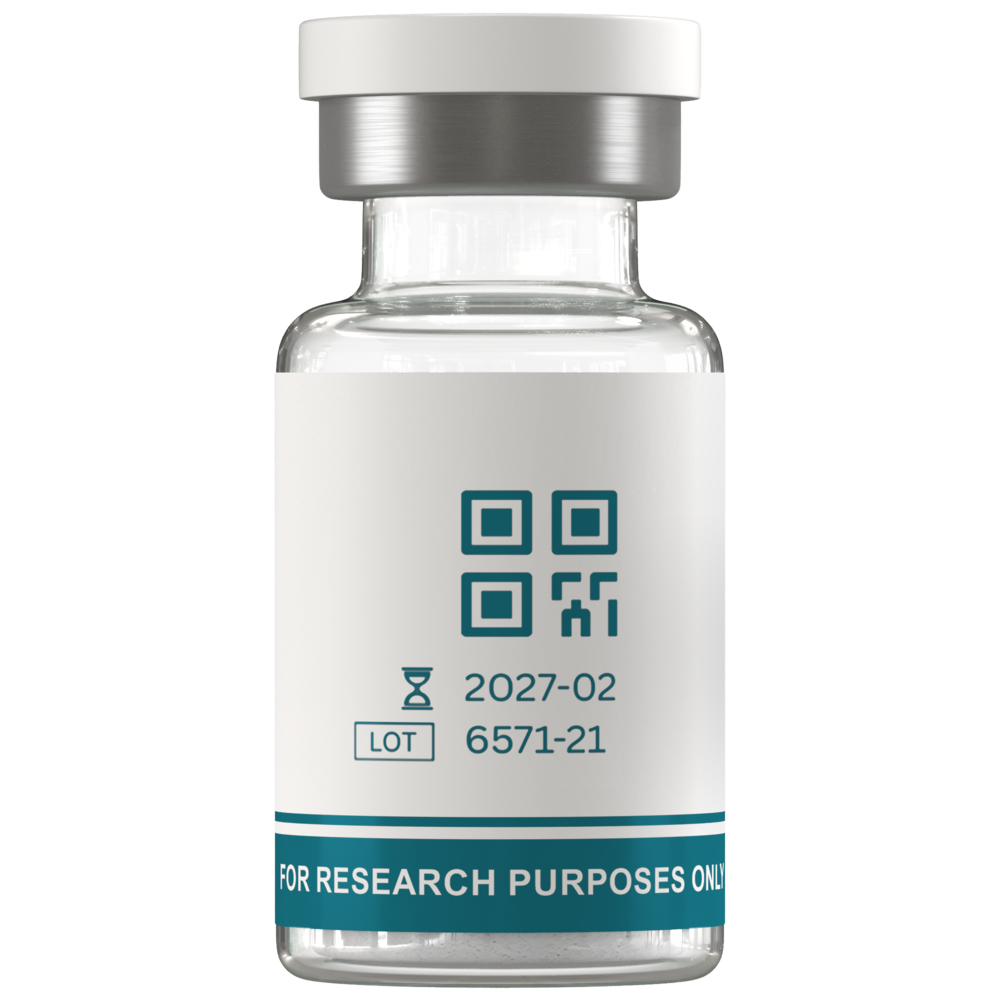
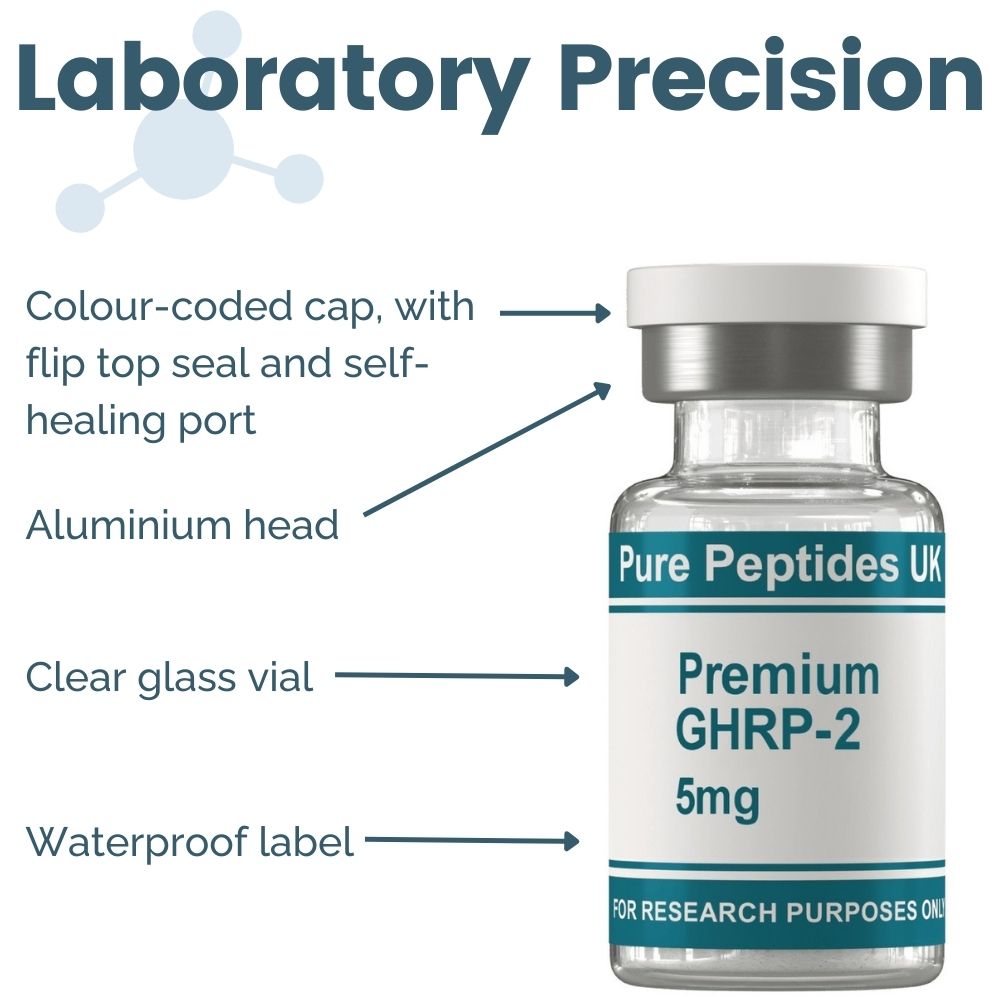
Images for illustration purposes only.
Conclusion
Premium GHRP-2 5 mg provides researchers with a high-purity growth hormone secretagogue ideal for studying GH release mechanisms, neuroendocrine signalling, and metabolic modulation. Its dual action on both pituitary and hypothalamic sites makes it a versatile peptide within the GHRP family, suitable for detailed exploration of GH regulation and energy-balance research.