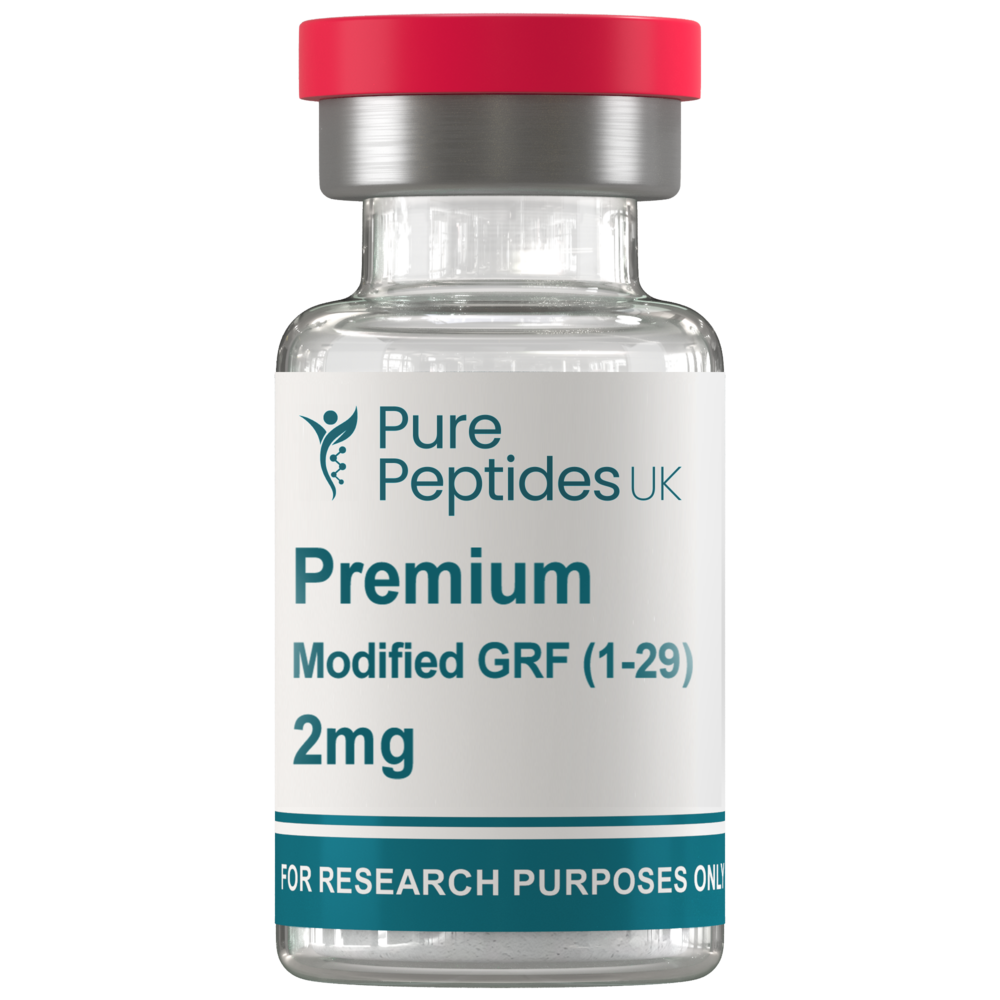


Premium Mod-GRF 2 mg (Modified GRF (1-29) / CJC-1295 without DAC)
Overview
Modified GRF (1-29), also known as CJC-1295 without DAC, is a synthetic peptide belonging to the growth hormone-releasing hormone (GHRH) family. It has become an important focus in biochemical research due to its role in stimulating endogenous growth hormone (GH) secretion.
Unlike CJC-1295 with DAC, which includes a Drug Affinity Complex designed to extend half-life, the “without DAC” version is short-acting but maintains high receptor affinity and potency. This makes Mod-GRF (1-29) valuable for studies examining natural GH pulsatility and physiological secretion cycles.
Scientific Background
Growth hormone plays a fundamental role in metabolism, cellular regeneration, and tissue repair. Mod-GRF (1-29) is a truncated analogue of native GHRH that includes only the first 29 amino acids — the biologically active portion responsible for receptor activation.
By mimicking this section of endogenous GHRH, Mod-GRF acts directly on the anterior pituitary to stimulate GH release in a rhythmic, pulsatile pattern, mirroring the body’s natural secretion.
This physiological mode of action is of particular interest in research contexts where hormonal regulation, growth factor signalling, and cellular metabolism are under investigation.
Mechanism of Action
Mod-GRF (1-29) binds to GHRH receptors on the pituitary gland, triggering an intracellular cascade that increases cyclic AMP (cAMP) and calcium ion concentrations. This process results in the release of growth hormone into circulation.
Because it lacks the DAC component, Mod-GRF (1-29):
-
Exhibits a shorter half-life (approximately 30 minutes) compared with CJC-1295 with DAC.
-
Encourages natural GH pulses rather than sustained elevation.
-
Provides researchers a model to study short-term GH dynamics and hormonal responsiveness.
Research Focus Areas
-
Endocrine Regulation – Examining the role of Mod-GRF (1-29) in growth hormone secretion and pituitary responsiveness.
-
Metabolic Function – Assessing how GH release influences lipid metabolism, glucose handling, and energy balance.
-
Cellular Repair Mechanisms – Investigating GH-mediated recovery pathways in tissue regeneration and protein synthesis.
-
Age-Related Hormonal Decline – Exploring potential roles in maintaining GH activity during the ageing process.
Technical Details
- Synonyms: Mod-GRF (1-29), Modified GRF (1-29), CJC-1295 without DAC
- Sequence: YADAIFTNSYRKVLGQLSARKLLQDIMSR
- IUPAC Condensed: H-Tyr-Ala-Asp-Ala-Ile-Phe-Thr-Asn-Ser-Tyr-Arg-Lys-Val-Leu-Gly-Gln-Leu-Ser-Ala-Arg-Lys-Leu-Leu-Gln-Asp-Ile-Met-Ser-Arg-NH₂
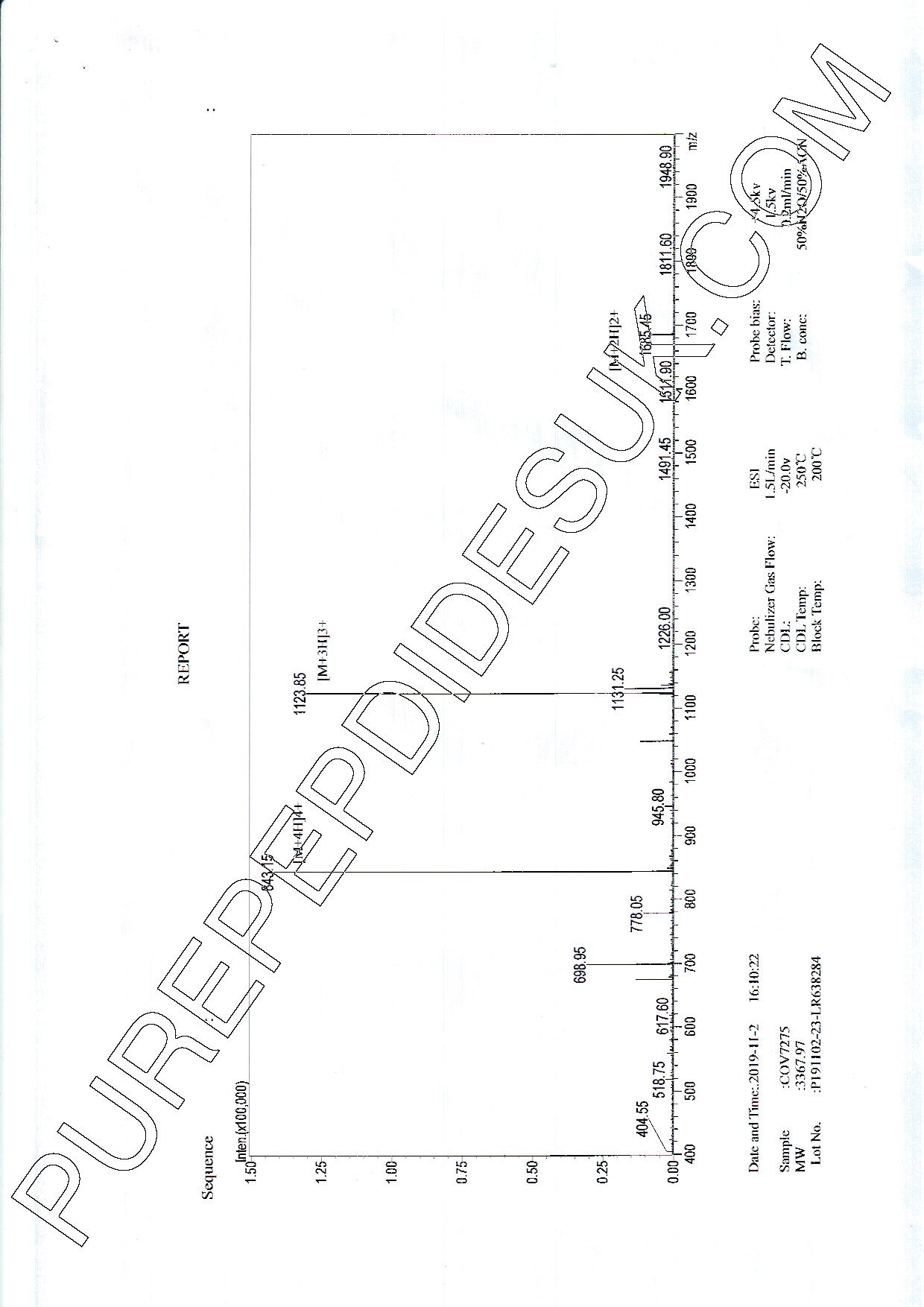
- Molecular Weight: 3367.95 g/mol
- CAS Number: 863288-34-0
- PubChem CID: 91976842
- Further References: PubChem
Stability and Storage
Store lyophilised protein at –20 °C.
After reconstitution, aliquot to prevent repeated freeze–thaw cycles.
Reconstituted peptide may be stored at 4 °C for a short period.
Lyophilised peptide remains stable until expiry when stored correctly at –20 °C.
Source and Reconstitution
Source: Biosynthesis
Reconstitution: Reconstitute with Bacteriostatic Water
Usage
Product is prepared for LABORATORY RESEARCH ONLY.
Mod-GRF (1-29) for sale at Pure Peptides UK is strictly limited to scientific and educational purposes.
Only purchase Mod-GRF (1-29) if you are a licenced researcher.
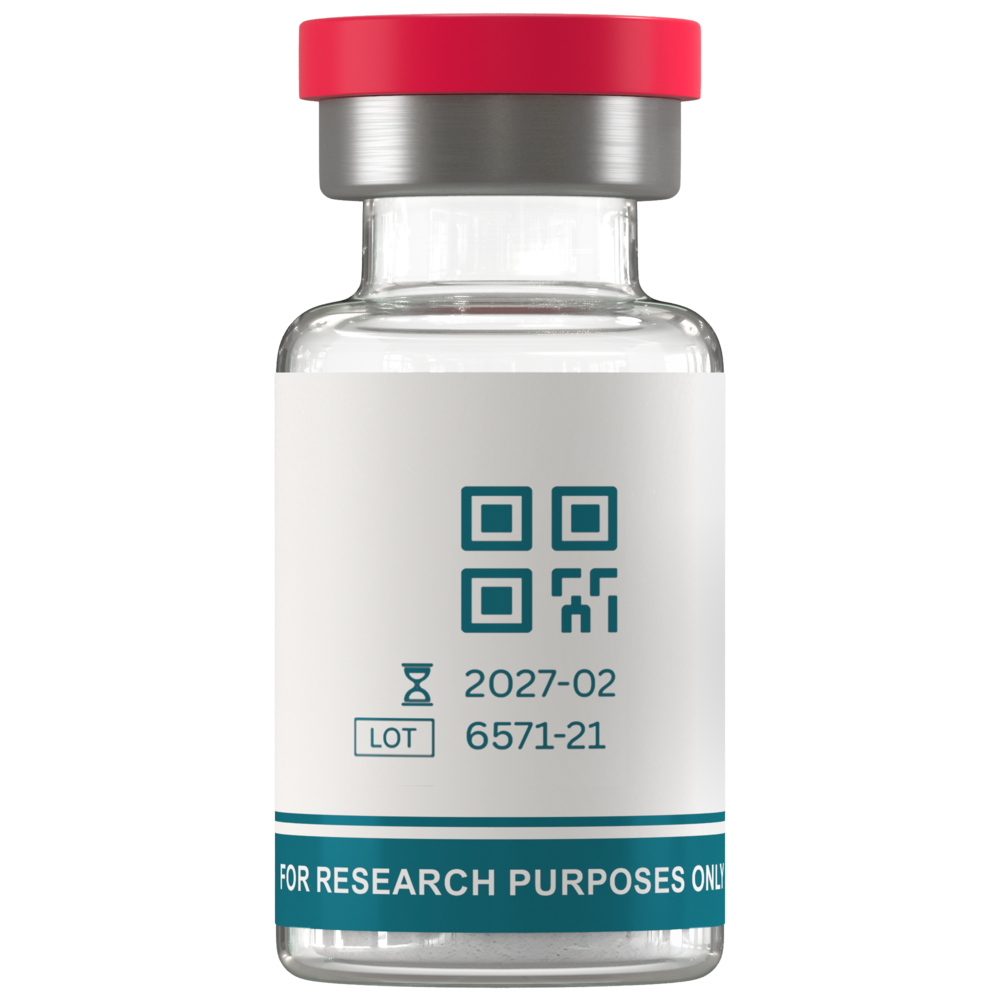
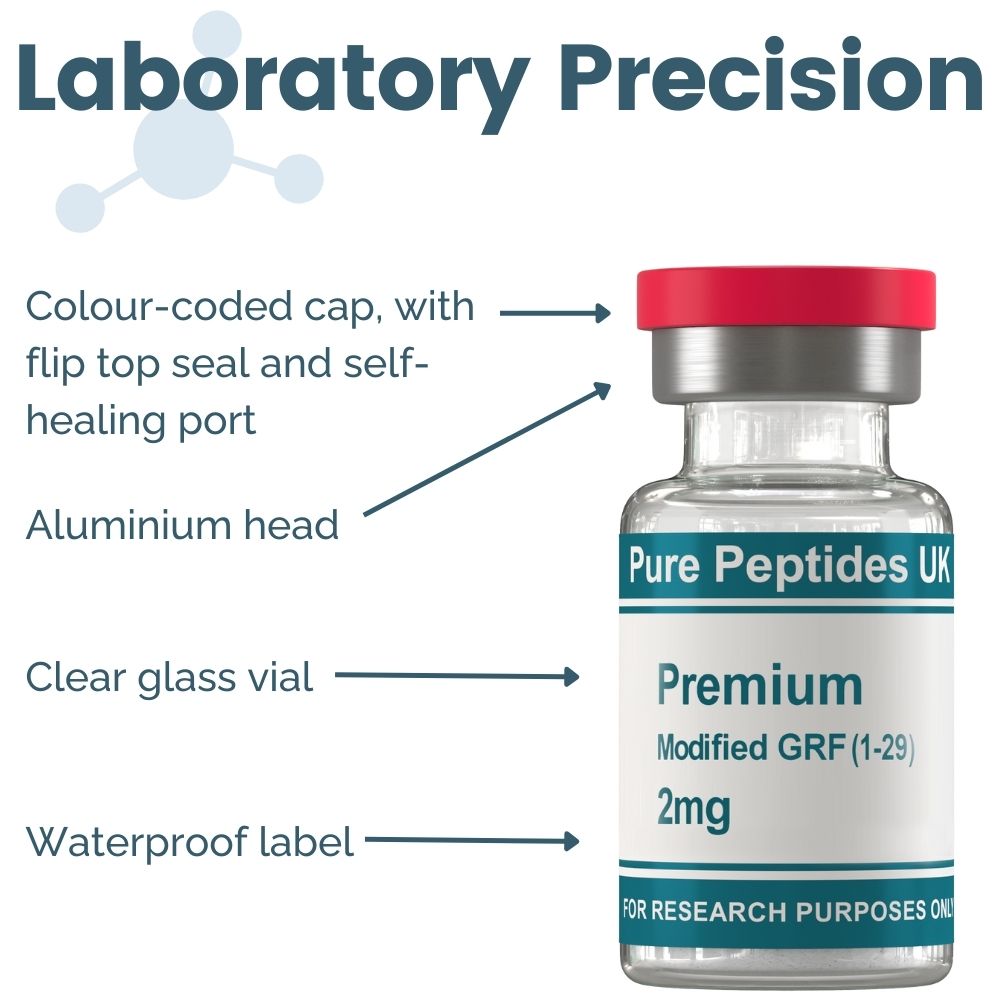
Images for illustration purposes only.
Conclusion
Premium Mod-GRF 2 mg offers a high-purity peptide model ideal for the study of growth hormone regulation, metabolic activity, and cellular recovery.
Its short-acting nature and physiological secretion pattern make it an excellent tool for researchers examining endocrine feedback systems and pulsatile GH release.