High-Quality Syringes for Peptide Reconstitution & Research Applications | 48-Hour Delivery Across EU & UK
Precision Syringes: Essential Tools for Peptide Research & Laboratory Applications
https://eupeptidelap.co.uk/ is proud to present our comprehensive range of premium syringes for peptide research, reconstitution, and laboratory applications. As a trusted peptide vendor uk and leading EU peptide supplier, we provide researchers across Europe with high-quality syringes for sale that deliver exceptional precision, reliability, and performance.
Syringes are fundamental tools in peptide research, serving critical functions from reconstituting lyophilized peptides to precise dosing and administration . The selection of appropriate syringe types—including insulin syringes, chromatography syringes, gastight syringes, and microliter syringes—directly impacts the accuracy and reproducibility of research outcomes . Whether you require 1ml insulin syringes for subcutaneous administration, Hamilton syringes for chromatography applications, or large-volume syringes for laboratory mixing, our curated selection meets the highest standards of quality and precision .
For researchers seeking to buy peptide online EU, having the correct syringes is essential for proper peptide handling and administration. Our range includes:
-
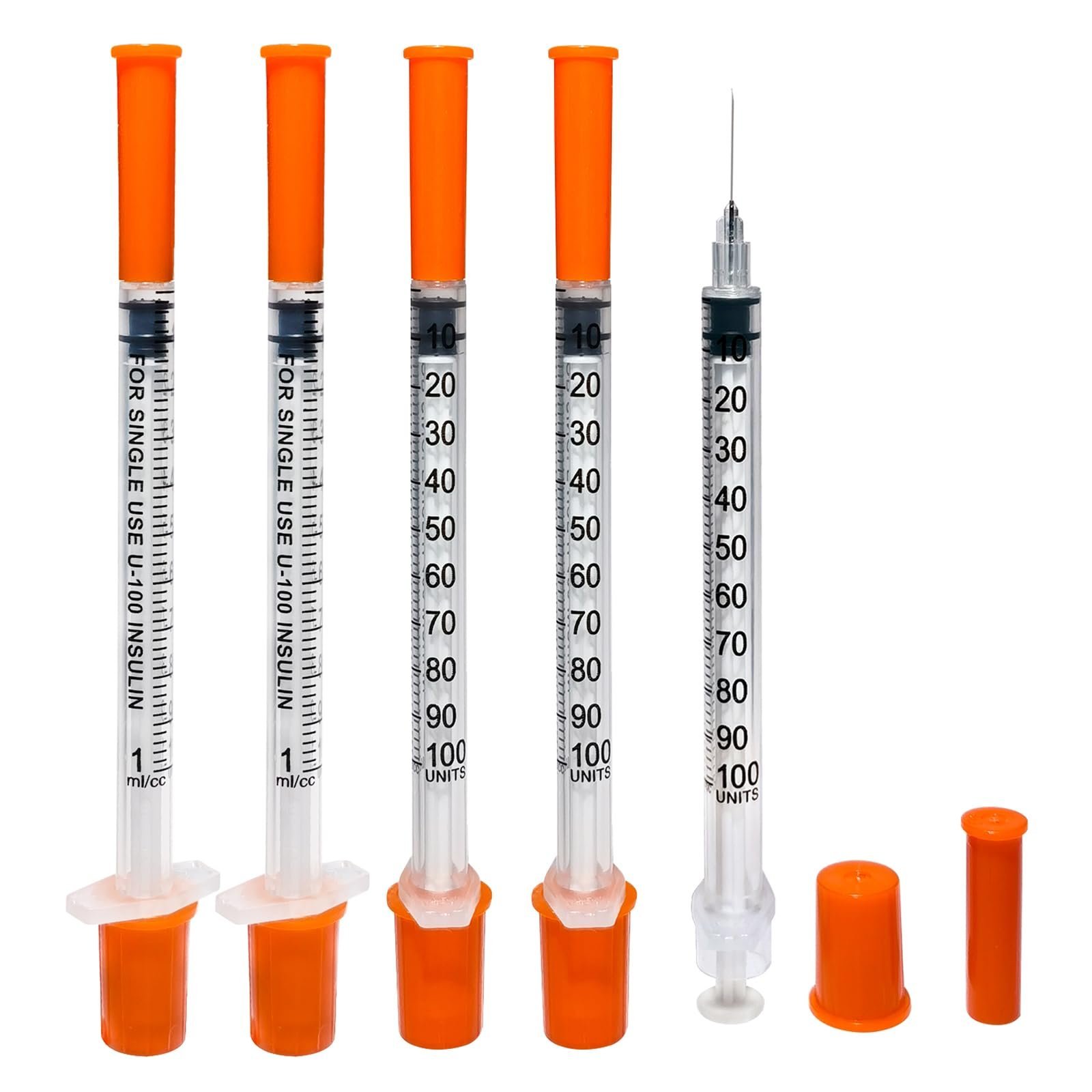
Insulin Syringes (100 units / 1ml): Ideal for subcutaneous peptide injections with fine-gauge needles (typically 31 gauge, 5/16″) for minimal discomfort
-
Reconstitution Syringes: Specifically designed for mixing lyophilized peptides with bacteriostatic water
-
Hamilton Chromatography Syringes: Precision microliter syringes for GC, HPLC, and analytical applications
-
Gastight Syringes: For handling volatile samples and precise volume delivery
-
Fixed Needle & Removable Needle Syringes: Various configurations to suit specific research protocols
-
Blunt Needle Syringes: For laboratory mixing, fluid transfer, and industrial applications
Whether your laboratory is based in London, Berlin, Paris, or anywhere in the European Union, our guaranteed 48 hour delivery peptide service ensures your essential supplies arrive when you need them.
The Critical Role of Syringes in Peptide Research
Reconstitution: The First Step in Peptide Preparation
Most research peptides are supplied as lyophilized (freeze-dried) powders that require reconstitution before use . This critical process demands precision syringes to ensure accurate mixing and dosing .
The Reconstitution Process: Proper peptide reconstitution involves several steps that require high-quality syringes :
-
Vial Preparation: Disinfect the rubber stoppers of both the peptide vial and bacteriostatic water vial with alcohol swabs
-
Air Pressure Equalization: Draw air into the syringe equal to the amount of bacteriostatic water to be used, then inject this air into the water vial to avoid pressure build-up
-
Water Withdrawal: Withdraw the prescribed amount of bacteriostatic water using a precision syringe
-
Gentle Injection: Inject the water slowly into the peptide vial, allowing it to run down the inside wall to minimize bubbling and foaming
-
Gentle Mixing: Swirl the vial gently until the powder fully dissolves—never shake, as this can damage peptide bonds
-
Pressure Balancing: Before removing the syringe, lift the needle above the liquid level but under the stopper and release the plunger to allow pressure equalization
Why Syringe Quality Matters: Accurate dosing depends on syringe precision. Poor-quality syringes can lead to incorrect measurements, wasted research compounds, and compromised experimental results .
Injection Techniques and Syringe Selection
Different research applications require different syringe types. For subcutaneous administration—the most common route for peptide research—insulin syringes with fine-gauge needles are preferred .
Subcutaneous Injection Protocol :
-
Site Selection: Lower abdomen (avoiding the area two inches around the navel), upper outer thighs, upper glutes, or upper outer arms
-
Site Preparation: Clean the injection site with an alcohol wipe and allow it to dry completely
-
Skin Preparation: Pinch a small fold of skin to create injection site
-
Needle Insertion: Insert the needle at a slight angle into the subcutaneous tissue
-
Slow Injection: Inject slowly and steadily to minimize tissue trauma and discomfort
-
Safe Disposal: Dispose of used needles immediately in an FDA-cleared sharps disposal container
Intramuscular Injections: Some research protocols may specify intramuscular administration, which requires longer needles and different technique . This should only be used when explicitly approved in the research protocol.
Combining Peptides in One Injection
Advanced research protocols may involve combining multiple peptides in a single syringe to reduce the number of injections required . Best practices for peptide mixing include :
-
Ensuring pressure is balanced in each vial before drawing doses
-
Drawing each peptide sequentially into the same syringe
-
Injecting within a few minutes of combining
-
Avoiding preloading syringes for later use
-
Confirming the solution remains clear and free of cloudiness
Some peptides may lose effectiveness or increase irritation risk when mixed, so researchers should consult published literature or their research protocols for compatibility guidance .
Syringe Types and Technical Specifications
Insulin Syringes for Peptide Research
Insulin syringes are the most commonly used syringes for subcutaneous peptide administration . Typical specifications include :
| Specification | Detail |
|---|---|
| Volume | 100 units / 1ml |
| Needle Gauge | 31 gauge |
| Needle Length | 5/16 inch (8mm) |
| Graduations | Clearly marked in units and milliliters |
| Sterility | Individually packaged, sterile |
| Application | Subcutaneous peptide injections, precise dosing |
Hamilton Chromatography Syringes
For analytical applications requiring exceptional precision, Hamilton syringes represent the gold standard in chromatography research .
800 Series Syringes :
-
Volume: 250 μL
-
Needle Size: 22s gauge (bevel tip)
-
Needle Length: 51 mm (2 inches)
-
Type: Removable needle (RN)
-
Material: Stainless steel needle, borosilicate glass barrel
-
Application: GC analysis, peptide mass spectrometry, precise volume delivery
X-Type Syringes for Sensitive LC Samples :
-
Volume: 100 μL
-
Type: Gastight, 1700 series
-
Termination: Fixed Needle (FN)
-
Needle Gauge: 22s
-
Point Style: 3
-
Needle Length: 2 inches (51 mm)
-
Special Feature: Coated needle and inner barrel to minimize sample adsorption
-
Application: Sensitive LC samples including proteins, peptides, phospholipids, and amines
CTC Autosampler Syringes :
-
Model: 701 FN CTC fixed needle
-
Volume: 10 μL × 51 mm
-
Needle Gauge: 23s
-
Needle ID × OD: 0.25 mm × 0.64 mm
-
Pressure Rating: 2000 psig
-
Temperature Range: 20-50°C (68-122°F)
-
Application: GC autosampler injections
Large-Volume Syringes for Laboratory Applications
For mixing, fluid transfer, and industrial laboratory applications, large-volume syringes are available :
| Specification | Detail |
|---|---|
| Volume | 20 ml |
| Material | Polypropylene plastic with rubber plunger seal |
| Connection | Luer lock |
| Graduations | Clear, each scale: 5 ml |
| Sterility Rating | Non-sterile |
| Application | Laboratory measurements, liquid mixing, fluid transfer, industrial applications |
| Note | Not for injection or medical use |
Gastight Syringes
For applications requiring minimal gas exchange and precise volume delivery, gastight syringes are essential :
-
Construction: Borosilicate glass barrel with PTFE plunger tips
-
Connections: Luer lock fittings available
-
Volume Range: Various sizes from microliter to milliliter
-
Applications: Gas chromatography, handling volatile samples, precise liquid handling
Safe Handling and Disposal Protocols
Sharps Disposal Guidelines
Proper disposal of syringes and needles is critical for laboratory safety and public health .
Sharps Container Requirements :
-
FDA-cleared sharps disposal container
-
Puncture-resistant and leak-proof
-
Secure, tight-fitting lid
-
Clearly labeled “Sharps”
Disposal Protocol :
-
Place used needles directly into the sharps container immediately after use—never in trash or recycling
-
Do not overfill the container
-
Seal the container according to manufacturer instructions when full
-
Dispose of full containers through approved drop-off locations or mail-back programs
Why Proper Disposal Matters : Improper disposal can injure others and spread serious infections including HBV, HCV, and HIV.
Syringe Storage Recommendations
Unused Syringes:
-
Store in original packaging in a clean, dry environment
-
Protect from extreme temperatures
-
Keep out of direct sunlight
-
Check expiration dates before use
Reconstituted Peptides:
-
Store in refrigerator at 2-8°C
-
Protect from light
-
Use within recommended timeframe (typically 3-6 months)
-
Do not freeze
Quality Assurance: Setting the Standard for Research Supplies
Manufacturing Excellence
Our syringe suppliers adhere to rigorous quality control protocols:
-
ISO 9001 Certified Manufacturing: Ensuring consistent quality and reliability
-
Medical-Grade Materials: Biocompatible materials suitable for laboratory applications
-
Precision Engineering: Accurate graduations and smooth plunger movement
-
Sterility Assurance: Individually packaged sterile syringes where applicable
-
Batch Traceability: Complete documentation for quality assurance
Syringe Selection Guide
| Research Application | Recommended Syringe Type |
|---|---|
| Subcutaneous peptide injection | Insulin syringe, 31 gauge, 5/16″ |
| Peptide reconstitution | Sterile syringe with appropriate volume |
| GC/LC chromatography | Hamilton microliter syringe |
| Sensitive peptide samples | X-Type coated syringe |
| Gastight applications | Gastight syringe with PTFE plunger |
| Laboratory mixing/transfer | Luer lock syringe with blunt needle |
| Autosampler applications | Fixed needle CTC syringe |
Key Benefits
-
Premium Quality Manufacturing: ISO 9001 certified production with rigorous quality control
-
Comprehensive Selection: Insulin syringes, Hamilton syringes, gastight syringes, and laboratory syringes
-
Insulin Syringes (1ml/100 units): Ideal for subcutaneous peptide administration with fine 31-gauge needles
-
Hamilton Chromatography Syringes: Precision microliter syringes for GC, HPLC, and analytical applications
-
X-Type Coated Syringes: Special coating minimizes sample adsorption for sensitive peptide samples
-
Gastight Construction: PTFE plunger tips minimize gas exchange for volatile samples
-
Fixed Needle Options: No glue or cement construction for contamination-free performance
-
Removable Needle Systems: Versatile configurations for multiple applications
-
Accurate Reconstitution: Essential for proper peptide preparation
-
Precision Dosing: Clear graduations ensure accurate measurements
-
Pressure Equalization Capability: Proper syringe technique enables balanced vial pressure
-
Luer Lock Connections: Secure attachment for laboratory applications
-
Sterile Packaging: Individually packaged insulin syringes maintain sterility
-
Laboratory-Grade Materials: Borosilicate glass and medical-grade plastics
-
Wide Temperature Range: Suitable for various laboratory conditions
-
Comprehensive Documentation: Batch-specific quality information
-
48-Hour EU & UK Delivery: Rapid shipping to research facilities across Europe
-
Expert Technical Support: Knowledgeable staff for syringe selection guidance
-
Competitive Pricing: Premium quality at accessible research budgets
-
EU Sourced: Available from within the European Union
Frequently Asked Questions
Q: What type of syringe should I use for peptide reconstitution?
A: For peptide reconstitution, use a sterile syringe appropriate for the volume of bacteriostatic water required . Many researchers use insulin syringes or dedicated reconstitution syringes. Always follow your research protocol for specific recommendations .
Q: What syringe is best for subcutaneous peptide injections?
A: Insulin syringes with fine-gauge needles (typically 31 gauge, 5/16 inch) are most commonly used for subcutaneous peptide administration . These syringes are designed for minimal discomfort and precise dosing.
Q: How do I prevent bubbles when reconstituting peptides?
A: To minimize bubbling, inject bacteriostatic water slowly into the peptide vial, allowing it to run down the inside wall . Gently swirl—do not shake—to dissolve the powder . Allow the solution to settle before drawing your dose.
Q: What is a Hamilton syringe used for in peptide research?
A: Hamilton syringes are precision microliter syringes used for chromatography applications including GC, HPLC, and mass spectrometry analysis of peptides . They provide exceptional accuracy for analytical applications.
Q: How do I equalize pressure in peptide vials?
A: After adding bacteriostatic water, lift the needle so it sits above the liquid but remains under the rubber stopper, then release the plunger to allow pressure to equalize naturally . To check pressure balance before drawing a dose, insert a syringe filled halfway with air and observe whether the plunger moves—it should remain neutral .
Q: Can I combine multiple peptides in one syringe?
A: Some peptides can be safely combined in a single syringe to reduce the number of injections . Best practices include drawing each peptide sequentially into the same syringe, injecting within minutes of combining, and avoiding preloading syringes for later use. Always confirm compatibility before mixing .
Q: What is the difference between fixed needle and removable needle syringes?
A: Fixed needle syringes have permanently attached needles with no glue or cement, ideal for applications requiring zero dead volume and contamination-free performance . Removable needle syringes allow needle changes for different applications .
Q: How should I dispose of used syringes?
A: Always place used needles directly into an FDA-cleared sharps disposal container—never in the trash or recycling . These containers are puncture-resistant, leak-proof, and have secure lids. When full, dispose through approved drop-off locations or mail-back programs .
Q: Do you ship syringes to EU countries?
A: Yes. As a dedicated EU peptide supplier, we ship syringes to all European Union member states with our guaranteed 48 hour delivery service . Our EU fulfilment centre ensures rapid delivery without customs delays.
Q: What are X-Type syringes used for?
A: X-Type syringes are designed for sensitive LC samples including proteins, peptides, phospholipids, and smaller amines . They feature a specially coated needle and inner syringe barrel to minimize sample adsorption, ensuring accurate analysis of sensitive compounds .
Q: How long do reconstituted peptides last in syringes?
A: Reconstituted peptides should typically be used immediately after drawing into syringes. Preloading syringes for later use is not recommended . Store reconstituted peptides in their original vials in the refrigerator and draw doses as needed .
Q: What volume of bacteriostatic water should I use for reconstitution?
A: The required volume of bacteriostatic water depends on the peptide quantity and desired concentration. Most peptide providers supply a reconstitution chart with specific recommendations . The Peptide Calculator App can also assist with precise calculations .
Q: What should I do if I bend a needle?
A: Do not use a bent or damaged needle . Dispose of it safely in a sharps container and use a new syringe .
Q: Are your syringes sterile?
A: Insulin syringes and chromatography syringes are typically sterile and individually packaged . Large-volume laboratory syringes may be non-sterile and intended for industrial or laboratory mixing applications . Check individual product specifications for sterility information.
Q: Do you offer bulk quantities of syringes for institutional research?
A: Yes. We accommodate bulk orders for research institutions. Contact our team at sales@eupeptidelap.co.uk for volume pricing, custom requirements, and supply agreements for ongoing research programs. ...........................................
Equip Your Lab with Premium Syringes from eupeptidelap.co.uk
eupeptidelap.co.uk is your trusted source for high-quality syringes for peptide research, reconstitution, and laboratory applications. Whether you need insulin syringes for subcutaneous administration, precision Hamilton syringes for chromatography, or large-volume syringes for laboratory mixing, our comprehensive range meets the highest standards of quality and precision. . . . . . . . . . . . . . . . . . . . . . . . . . . . . . . . . . . . . . . . . .
Order today and experience the eupeptidelap.co.uk difference – premium quality, rapid 48-hour delivery across the EU and UK, and expert support for the European research community.